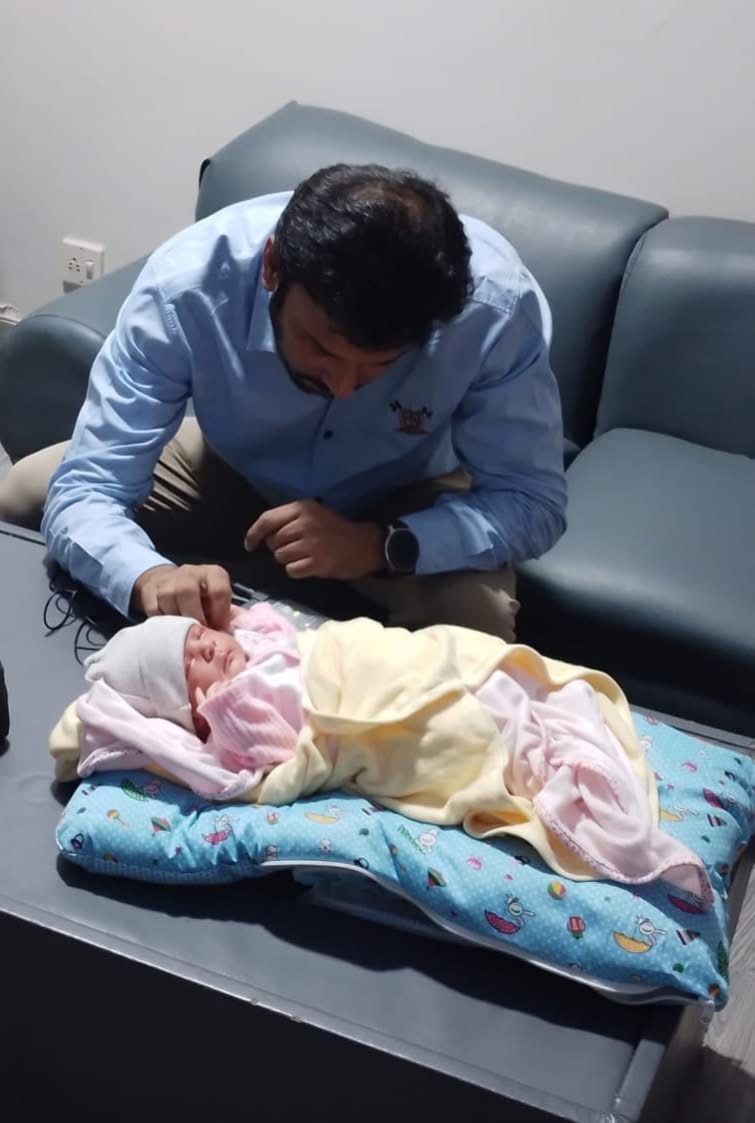
In Pakistan, about one to two babies in every 1 000 are born with profound bilateral hearing loss. A simple neonatal hearing test can identify these impairments shortly after birth, allowing families and clinicians to intervene before the critical language‑development window closes. Early detection is not just about catching severe losses; mild to moderate losses can also go unnoticed. Evidence shows that neonatal screening should occur by one month of age, diagnosis by three months and intervention by six months, because delayed detection leads to speech, language, social and educational problems. Without universal screening, 26 % of mild hearing losses may still be missed.
What’s happening in Pakistan
Despite the clear benefits, Pakistan lacks a national neonatal hearing screening (NNHS) programme. Hospital administrators interviewed in Islamabad emphasised that while screening equipment and protocols exist, programmes are fragmented and often limited to tertiary hospitals. Key barriers identified include:
- Lack of awareness among the public and even some healthcare professionals about the importance of early identification.
- Poor health infrastructure and overburdened tertiary care centres, making it difficult to integrate screening into routine care.
- Absence of referral pathways between obstetrics and audiology services, meaning babies who fail initial tests may never receive follow‑up.
- Limited financial and human resources, especially in rural areas where most births occur at home.
A recent study on hearing impairment’s impact on Pakistani families underscores the consequences of these gaps: late identification leads to delayed development and imposes financial and emotional strain on parents.